
Mobile app development continues its rapid evolution, driven by advances in technology, shifting user behaviour, and higher expectations for personalization, performance, and security. Below, we explore the trends shaping how apps are built, deployed, and experienced in 2026 — and how they’re setting the stage for the future.
________________________________________________________________________________________________________________________________
1) AI & Machine Learning — Intelligence at the Core
Artificial Intelligence (AI) and Machine Learning (ML) top the list of trends transforming mobile apps today. Rather than simple add-on features, AI is becoming core to app capabilities:
What’s Changing
- Hyper-personalization: Apps tailor content, UX flows, and recommendations based on individual user behaviour, context, and preferences — boosting engagement and retention.
- Predictive analytics: Modern apps can analyze how users behave and anticipate their needs before they’re expressed.
- Advanced automation: Smart notification systems, automatic content tagging, and ML-driven workflows are speeding up user tasks ,Miruthika Enterprises Technology Services.
Why It Matters
AI makes apps feel smart — they don’t just respond, they anticipate. By 2026, a large portion of apps — especially enterprise and consumer platforms — will leverage AI for core user flows rather than just helper features.
________________________________________________________________________________________________________________________________
2) Cross-Platform Development — One Codebase, Many Devices
Businesses increasingly prioritize fast time-to-market and consistent experiences across platforms.
Popular Tools
- Flutter
- React Native
- Xamarin
- Kotlin Multiplatform
Benefits
- Develop once, deploy on iOS and Android
- Reduced development cost
- Easier maintenance and updates
- Web design and development
About 70%+ of new mobile app projects in 2026 are expected to adopt cross-platform frameworks due to these advantages.
________________________________________________________________________________________________________________________________
3) 5G & High-Speed Connectivity — Bigger, Better, Faster
With 5G coverage expanding globally, mobile apps are getting ready for more demanding, real-time experiences:
Transformations Enabled
- Ultra-low latency interactions
- Real-time data streaming
- Live collaboration features
- Higher-quality AR/VR experiences
Apps that leverage 5G can deliver seamless gaming, advanced video services, and richer media.
________________________________________________________________________________________________________________________________
4) AR & VR — Immersive Experiences Go Mainstream
Augmented Reality (AR) and Virtual Reality (VR) are no longer experimental. These technologies will shape apps across multiple industries:
Uses
- Retail: virtual try-ons, interior design mockups
- Education: immersive 3D interactive lessons
- Healthcare: training simulations and guided therapy tools
- Navigation & Travel: AR wayfinding overlays
AR brings digital content into real environments; VR creates fully immersive worlds. By 2026, these experiences will be expected rather than special features.
________________________________________________________________________________________________________________________________
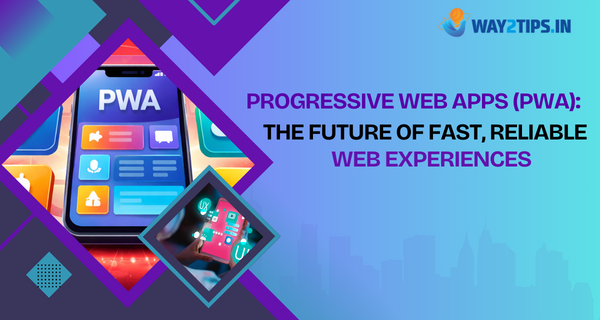
5) Progressive Web Apps (PWAs) & Instant Apps
Not all users want to install full native apps. That’s where PWAs and Instant Apps shine:
What They Offer
- App-like experiences within browsers
- Offline use and caching
- Faster loading than traditional mobile websites
- E-commerce Website
- No app store installation required
For many businesses, PWAs provide a cost-effective way to boost engagement without the overhead of native builds.
________________________________________________________________________________________________________________________________
6) App Security & Privacy by Design
Security and user privacy are non-negotiable:
Trends in Security
- End-to-end encryption
- Multi factor bio-authentication
- Zero-knowledge protocols
- Privacy-first data handling
With rising data breaches and tightened regulations, privacy must be baked in, not bolted on — a core principle in 2026 app strategy.
________________________________________________________________________________________________________________________________
7) AIoT — Intelligence Meets Internet of Things
AIoT stands for AI + Internet of Things — think apps controlling smart homes, wearables, or even smart cars.
Real-World Usage
Apps are becoming command centers for connected devices — adapting to user lifestyles and automating responses based on context (like environment or behavior).
________________________________________________________________________________________________________________________________
8) Voice & Conversational Interfaces
Voice and speech recognition are on the rise:
What’s Driving Growth
- Hands-free control
- Natural language interactions
- Accessibility improvements
Voice interfaces reduce screen dependence — a big advantage for multitasking and accessibility for all users.
________________________________________________________________________________________________________________________________
9) Super Apps — One Hub for Everything
Popularized in Asia (like WeChat), super apps combine messaging, payments, shopping, and services in a unified platform.
Why Businesses Love Super Apps
- Increased user engagement
- More services under one ecosystem
- Higher monetization potential
This model is spreading globally as businesses expand multi-service offerings.
________________________________________________________________________________________________________________________________
10) Low-Code & No-Code Platforms
Platforms like FlutterFlow and similar visual builders allow non-developers to create apps with minimal hand-coding.
Benefits
- Rapid prototyping
- Faster MVP launches
- Democratized app creation
This accelerates innovation, but teams must manage quality and security as adoption grows.
__________________________________________________________________________________________________________________________________
11) Sustainability & Green Development
Energy-efficient apps that consume less battery and data are becoming more valued:
Why It Matters
- Reduced environmental impact
- Better performance on low-end devices
- Lower cloud usage and carbon footprint
Sustainability is now a competitive edge in app portfolios.
________________________________________________________________________________________________________________________________
12) Future Focus: Edge AI & On-Device Intelligence
Instead of relying on cloud servers, on-device AI delivers faster responses, better privacy, and offline capabilities — key factors in 2026 apps.
________________________________________________________________________________________________________________________________
Conclusion
Mobile app development in 2026 is defined by intelligence, connectivity, cross-platform performance, and security. Developers and businesses that embrace:
- AI+ML core functionality
- Cross-platform tools
- 5G/AR/VR experiences
- Privacy-first design
- PWAs and super-apps
…will build apps that spark growth, innovation, and long-term user loyalty.
About the Author