
1. Introduction
The Internet of Things (IoT) refers to a network of physical objects (“things”) embedded with sensors, software, and connectivity that enables them to collect, exchange, and act on data over the internet. These Connected Devices Technology communicate with one another and with users to create smart, automated ecosystems—transforming industries, enhancing efficiency, and improving quality of life.
IoT has evolved rapidly and now spans across consumer, industrial, and societal applications. Its intersection with technologies like cloud computing, big data analytics, AI (Artificial Intelligence), and 5G connectivity expands its potential and accelerates innovation.
2. Core Components of IoT
Before diving into applications, it helps to understand the core components that make IoT work:
- Sensors & Actuators
Devices that collect data (temperature, motion, pressure) and perform actions (open/close valves, adjust settings). - Connectivity & Networks
Communication technologies like Wi-Fi, Bluetooth, LoRaWAN, NB-IoT, 5G, and Ethernet. - Data Processing & Analytics
Cloud platforms or edge computing systems interpret data and derive insights. - User Interfaces
Dashboards, mobile apps, or automated systems enable users to monitor or control devices.
3. Major IoT Application Domains
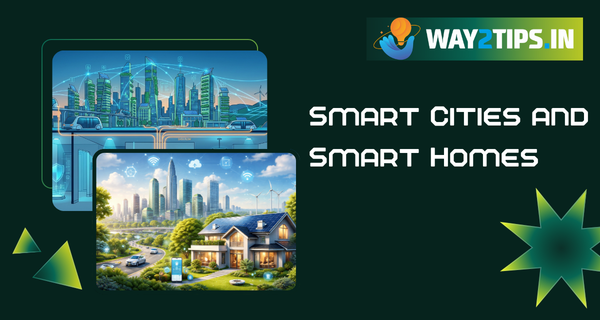
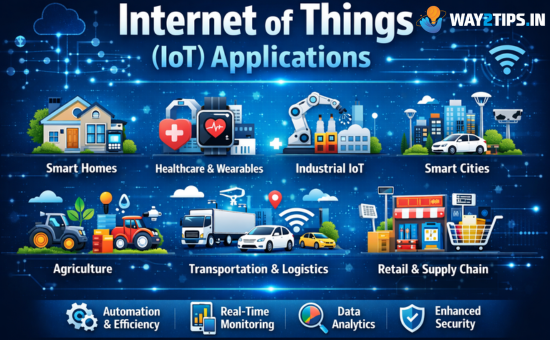
Smart Homes
Smart homes use IoT to improve convenience, comfort, security, and energy efficiency.
Examples
- Smart Lighting: Automatically adjusts brightness based on presence or natural light.
- Smart Thermostats: Adapts heating/cooling based on occupancy and user preferences.
- Smart Security Systems: Cameras, motion sensors, and smart locks connected to mobile apps.
Impact
- Reduces energy consumption
- Enhances home security
- Provides remote monitoring and control
Wearables & Health Monitoring
IoT devices in healthcare track vital signs and support preventive care.
Examples
- Smartwatches & Fitness Bands: Monitor heart rate, sleep patterns, steps, and calories.
- Medical IoT Devices: Glucose monitors, ECG patches, and fall detection sensors for elderly care.
Benefits
- Real-time health tracking
- Early disease detection and remote patient monitoring
- Reduced hospital visits
Industrial IoT (IIoT)
Industrial IoT optimizes manufacturing, supply chains, and asset management.
Applications
- Predictive Maintenance: Sensors detect equipment wear to prevent breakdowns.
- Supply Chain Monitoring: Track materials via RFID or GPS for real-time logistics insights.
- Smart Factories: Automated production lines reduce human intervention and errors.
Outcomes
- Higher productivity
- Reduced downtime
- Lower operational costs
Smart Cities
IoT enables cities to manage resources efficiently and improve public services.
Examples
- Smart Traffic Management: Sensors and cameras control traffic flow and reduce congestion.
- Waste Management: Connected bins alert authorities when full.
- Environmental Monitoring: Air quality sensors detect pollution levels in real time.
Advantages
- Optimized traffic and reduced emissions
- Better public safety and services
- Lower municipal costs
- IoT Development Services
Agriculture & Precision Farming
Agriculture leverages IoT for better yields and efficient resource use.
Uses
- Soil Moisture Sensors: Enable precision irrigation and water conservation.
- Livestock Monitoring: Wearable tags track animal health and location.
- Climate Sensors: Provide micro-weather data for crop planning.
Benefits
- Increased productivity
- Reduced waste and environmental impact
- Data-driven farming decisions
Transportation & Logistics
Connected vehicles and IoT instrumentation are transforming mobility.
Examples
- Fleet Tracking: GPS + sensors optimize routes and reduce delivery times.
- Vehicle Telematics: Monitor vehicle health and driver behavior.
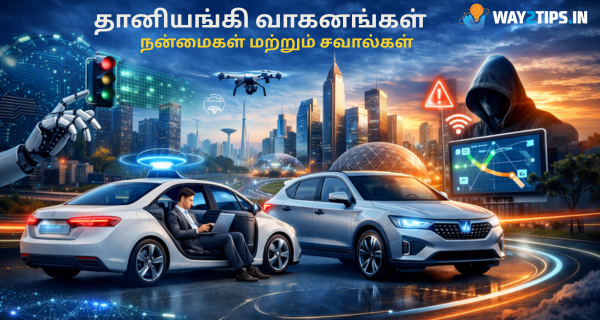
- Autonomous Vehicles: IoT-enabled sensing for self-driving features.
Effects
- Improved safety
- Reduced operational costs
- Enhanced customer satisfaction
Retail & Consumer IoT
Retailers use IoT to enhance customer experiences and streamline operations.
Applications
- Smart Shelves: Detect inventory levels and trigger restocking.
- Beacons: Provide location-based offers and personalized alerts.
- Self-Checkout & RFID: Faster checkouts and reduced losses.
Benefits
- Personalized shopping
- Better inventory accuracy
- Increased sales
4. Benefits of IoT Applications
IoT is reshaping how systems function:
- Automation & Efficiency: Fewer manual tasks and faster responses.
- Real-time Insights: Data analytics enable informed decision-making.
- Resource Optimization: Better use of energy, materials, and labor.
- Cost Savings: Through predictive maintenance and operational insights.
- Enhanced User Experience: Personalization and convenience in daily life.
5. Key Challenges
Despite its advantages, IoT implementation faces challenges:
Security & Privacy
With billions of connected devices, safeguarding data and systems is critical. Weak security can lead to breaches and unauthorized access.
Scalability
Handling data from vast IoT networks requires robust infrastructure and optimized processing.
Interoperability
Devices from different manufacturers may lack standardization, making integration complex.
Power & Latency Constraints
Battery-powered sensors and devices must operate efficiently with low energy use and rapid responsiveness.
6. Future Outlook
The future of IoT is linked closely with emerging technologies:
- AI & Machine Learning: Smarter predictions and autonomous systems.
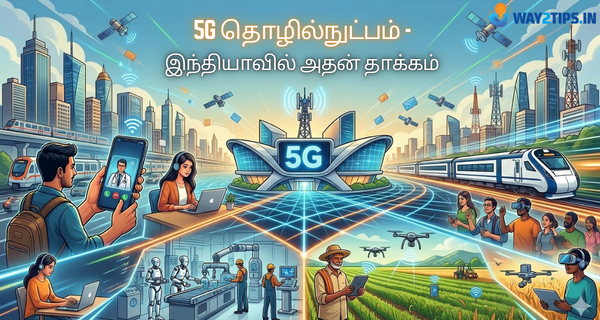
- 5G Networks: High-speed, low-latency connections for critical IoT applications.
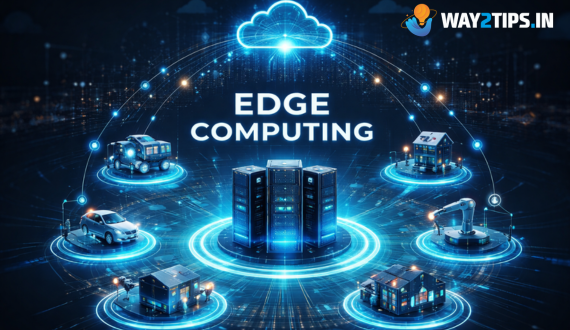
- Edge Computing: Processing data closer to where it’s generated to reduce delays.
- Digital Twins: Virtual replicas of physical systems for simulation and optimization.
IoT is expected to expand its role in sectors like energy grids, autonomous mobility, environmental conservation, and immersive user experiences.
7. Conclusion
The Internet of Things has evolved from a futuristic vision into a practical reality driving innovation across industries. From smart cities and agriculture to healthcare and retail, IoT applications are enhancing efficiency, transforming experiences, and generating valuable data insights. While challenges such as security and scalability remain, continued advancements and integrations with AI and 5G will further unlock IoT’s potential.
About the Author