

The Information Technology (IT) industry is one of the fastest-growing fields in the world. Almost every business today depends on technology, which creates a huge demand for skilled IT professionals. Starting a career in IT can lead to exciting opportunities, good salaries, and long-term career growth. Even if you are a beginner, you can build a successful IT career with the right approach and learning path.
1. Understand the Basics of IT
Before starting a career in IT, it is important to understand the fundamentals of information technology. IT includes various technologies used to store, process, and transmit information using computers and networks.
Basic topics you should learn include:
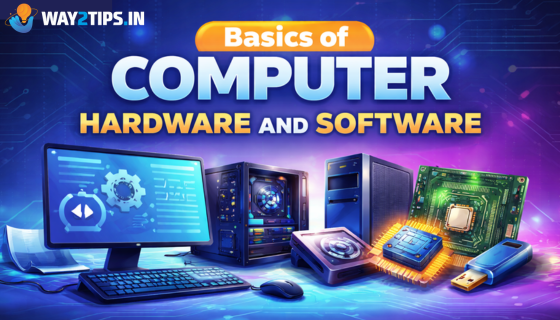
- Computer hardware and software
- Operating systems like Windows and Linux
- Internet and networking basics
- Basic cybersecurity concepts
- Data storage and databases
Having a strong understanding of these concepts will make it easier to learn advanced technologies later.
2. Choose the Right IT Career Path
The IT industry offers many different career options. Choosing the right path depends on your interests, strengths, and long-term goals.
Some popular IT career paths include:
- Software Developer – Creates applications and software systems.
- Web Developer – Builds and maintains websites.
- Mobile App Developer – Develops applications for smartphones.
- Network Engineer – Manages network infrastructure and connectivity.
- Cybersecurity Analyst – Protects systems from cyber threats.
- Data Analyst – Analyzes data to support business decisions.
- Cloud Engineer – Works with cloud platforms and services.
- IT Support Specialist – Helps users solve technical issues.
Researching different roles will help you identify the career path that matches your skills and interests.
3. Learn the Required Technical Skills
Once you choose a path, start learning the technical skills required for that role. Many IT skills can be learned through online courses, tutorials, and practice.
Important skills for beginners include:
- Programming languages such as Python, Java, or JavaScript
- Basic knowledge of databases
- Understanding computer networks
- Knowledge of operating systems
- Basic cybersecurity awareness
Learning these skills step by step builds a strong technical foundation.
Programming Skills
Programming is one of the most important skills in the IT industry. Learning how to write code allows you to create applications, automate tasks, and build digital solutions.
Popular programming languages for beginners include:
- Python
- JavaScript
- Java
- C++
- PHP
Start with one programming language and focus on mastering the basics such as variables, loops, functions, and logic building.
4. Take Online Courses and Certifications
Online learning platforms make it easier than ever to start an IT career. Courses can teach you both theory and practical skills.
Some popular certifications include:
- CompTIA A+
- Google IT Support Professional Certificate
- AWS Cloud Certification
- Cisco CCNA
- Microsoft Azure Fundamentals
Certifications demonstrate your skills and increase your chances of getting hired.
5. Build Practical Projects
Practical experience is very important in IT. Employers often prefer candidates who have worked on real projects.
You can start by building simple projects such as:
- Creating a personal website
- Developing a small mobile or web application
- Building a simple database system
- Creating automation scripts
Projects help you practice your skills and demonstrate your abilities to potential employers.
6. Create a Strong Portfolio
A portfolio is a collection of your work that shows your skills and experience. If you are a developer or designer, your portfolio should include the projects you have built.
A good portfolio can include:
- Project descriptions
- Screenshots or demos
- Code samples
- Problem-solving explanations
Sharing your portfolio online makes it easier for recruiters to see your abilities.
7. Gain Experience Through Internships
Internships are one of the best ways to start your IT career. They allow you to gain real-world experience, learn from professionals, and understand how companies work.
Even short internships can help you build valuable skills such as teamwork, problem solving, and professional communication.
8. Stay Updated with Technology Trends
Technology changes very quickly. Successful IT professionals always keep learning new tools, languages, and technologies.
You can stay updated by:
- Reading tech blogs and articles
- Watching technology tutorials
- Joining developer communities
- Participating in online forums
Continuous learning helps you stay competitive in the IT industry.
9. Build Professional Connections
Networking is very important in the technology industry. Connecting with other professionals can help you learn new things and discover job opportunities.
You can build connections by:
- Attending tech events and seminars
- Joining online communities
- Participating in coding forums
- Connecting with professionals on networking platforms
A strong professional network can open many career doors.
10. Apply for Entry-Level IT Jobs
After learning basic skills and completing some projects, you can start applying for entry-level IT jobs.
Common beginner IT roles include:
- Junior Software Developer
- IT Support Technician
- QA Tester
- Web Developer Intern
- Junior Data Analyst
- System Administrator Trainee
These roles help you gain experience and move toward more advanced positions in the future.
Final Thoughts
Starting a career in IT is one of the best decisions for individuals who enjoy technology, problem-solving, and continuous learning. The technology industry offers numerous opportunities for people with different skills and interests. Whether you want to develop software, manage networks, analyze data, or secure systems, the IT field provides many career paths to explore.
The key to success in IT is consistent learning and practical experience. Technology changes rapidly, so professionals must always stay updated with new tools, programming languages, and industry trends. By dedicating time to learning, practicing, and building projects, beginners can gradually develop strong technical expertise.
The future of technology continues to expand, and the demand for skilled IT professionals will only increase. By starting your journey today and continuously improving your skills, you can create a stable, exciting, and successful career in the world of Information Technology.
About the Author