
What is Ethical Hacking?
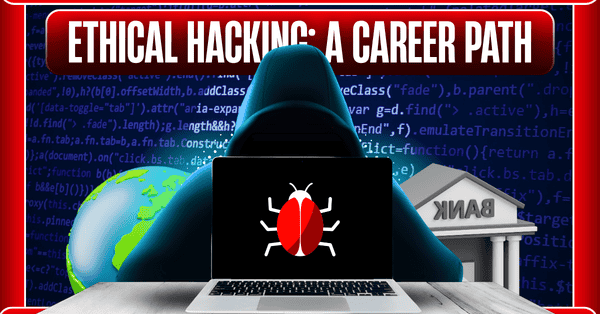
Ethical hacking, also known as white-hat hacking or penetration testing, is the practice of deliberately probing computer systems, networks, and applications with permission to find security vulnerabilities before malicious hackers do. Cybersecurity Career Resources – Miruthika Enterprises Ethical hackers use their deep knowledge of how systems work — often the same techniques as attackers — to strengthen defenses rather than exploit them.
Unlike unauthorized cybercriminals, ethical hackers operate legally and responsibly, always with authorization and with the goal of improving cybersecurity. Their findings help organizations understand weaknesses, fix them, and protect sensitive data from cyber threats.
Why Ethical Hacking Matters
Today’s digital world is increasingly threatened by cyberattacks — from data breaches to ransomware and espionage. Organizations across industries now recognize cybersecurity as a top priority. Ethical hackers are key to this defense infrastructure because they:
- Reveal security weaknesses before attackers exploit them.
- Help companies comply with security standards and regulations.
- Support safer digital environments for businesses, governments, and users.
- Play an essential role in risk mitigation and incident response.
Cybersecurity demand is growing rapidly worldwide, which makes ethical hacking not only a crucial function but also a career with strong job prospects.
Core Skills Required
To succeed in ethical hacking, you need a mix of Technical ,Analytical and Digital Marketing skills:
1. Technical Skills
- Computer Networking: Knowledge of TCP/IP, DNS, HTTP/HTTPS, routers, firewalls, and network protocols is foundational.
- Operating Systems: Especially Linux, which powers many cybersecurity tools, along with Windows and macOS.
- Programming & Scripting: Familiarity with languages like Python, C/C++, Bash, SQL, and JavaScript helps automate tasks and understand how attacks operate and how to defend against them.
- Cybersecurity Tools: Tools such as Nmap, Metasploit, Burp Suite, Wireshark, and vulnerability scanners are used regularly in assessments.
2. Analytical & Soft Skills
- Problem-Solving: Ethical hacking is essentially solving security puzzles — identifying weak spots and fixing them.
- Critical Thinking: You must think like an attacker to anticipate vulnerabilities and exploits.
- Communication: Ethical hackers must clearly explain technical findings to both technical teams and business stakeholders.
- Ethics & Integrity: A strong ethical mindset is essential — unauthorized or harmful actions are illegal and contrary to professional standards.
Educational & Career Pathway
While there isn’t a single fixed route, the typical steps to pursue a career in ethical hacking include:
1. Education
Start with a relevant degree — Computer Science, Information Technology, Cybersecurity, or related fields help build a solid foundation.
2. Practical Experience
Theory isn’t enough — hands-on experience with tools and real systems is critical. Set up home labs using tools like VirtualBox, Kali Linux, and practice penetration testing techniques. Participating in Capture-The-Flag (CTF) competitions or bug bounty programs also sharpens your skills.
3. Certifications
Professional certifications significantly boost credibility and employability:
- Certified Ethical Hacker (CEH) — a globally recognized credential.
- Offensive Security Certified Professional (OSCP) — highly respected for practical skills.
- Certified Information Systems Security Professional (CISSP) — broader cybersecurity certification.
- Other credentials include GPEN, CPTE, and CompTIA Security+.
4. Build a Portfolio
Showcase your practical work — write blogs, publish tools or research, contribute to open-source platforms like GitHub, and document vulnerability findings responsibly.
5. Apply for Jobs
Start with entry-level positions like Junior Ethical Hacker, SOC Analyst, Cybersecurity Analyst, then progress to specialized roles with experience and certifications.
Typical Job Roles
Ethical hacking opens doors to a variety of cybersecurity roles:
| Role | Description |
|---|---|
| Penetration Tester / Ethical Hacker | Performs authorized hacking to find vulnerabilities. |
| Vulnerability Assessor | Identifies and prioritizes potential security issues. |
| Security Analyst / SOC Engineer | Monitors and responds to security threats. |
| Application Security Specialist | Ensures software is secure from attacks. |
| Incident Response Engineer | Investigates and responds to breaches. |
| Red Team Specialist | Simulates real-world attacks to test defenses. |
Career Prospects & Growth
Ethical hackers are in high demand as cybersecurity becomes a priority for every sector — from finance and healthcare to government and Information Security Career Insights and E-commerce. Entry-level roles can offer competitive salaries (e.g., ₹5–8 LPA in India), which can rise significantly with experience, certifications, and specialized expertise.
Many experts also work as consultants, freelancers, or contribute to bug bounty programs, where organizations pay for responsibly disclosed vulnerabilities.
Challenges of the Field
A career in ethical hacking isn’t without challenges:
- The learning curve is steep due to complex technologies and evolving threats.
- Ethical hackers must commit to lifelong learning — cybersecurity threats change constantly.
- Work can involve high pressure and tight deadlines due to the urgency of addressing security issues.
The Future of Ethical Hacking
With digital transformation accelerating globally, the need for security experts continues to grow. Innovations in AI, automation, and security frameworks will influence how ethical hacking is done in the future — focusing more on scalable, automated testing combined with human expert analysis.
Ethical hackers will continue to be essential for resilient digital infrastructures and safer cyberspace.
Conclusion
Ethical hacking offers a dynamic, rewarding, and future-oriented career path for those passionate about cybersecurity. It blends technical expertise with creative problem-solving and ethical responsibility. With the right education, hands-on practice, certifications, and continuous learning, you can build a successful career safeguarding organizations from cyber threats.
About the Author