
Introduction
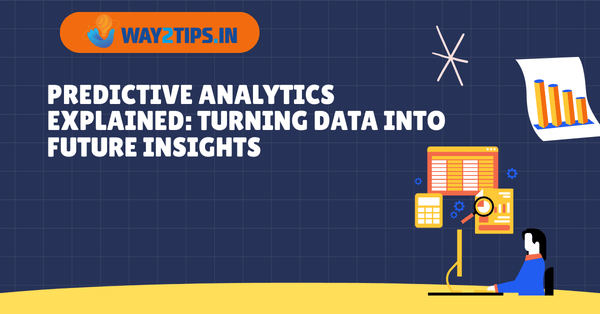
In today’s data-driven world, organizations no longer rely only on past performance to make decisions. Instead, they use Predictive Analytics to forecast future outcomes, reduce risks, and identify new opportunities. From predicting customer behavior to preventing equipment failure, predictive analytics plays a crucial role across industries.
This article explains what predictive analytics is, how it works, key techniques, benefits, use cases, challenges, and future trends—in simple, easy-to-understand language.
What Is Predictive Analytics?
Predictive Analytics is a branch of advanced data analytics that uses historical data, statistical algorithms, and machine learning techniques to predict future events or outcomes.
Instead of answering “What happened?”, predictive analytics answers:
- “What is likely to happen next?”
- “What actions should we take now?”
It combines:
- Data mining
- Statistics
- Machine learning
- Artificial intelligence (AI)
How Predictive Analytics Works
Predictive analytics follows a structured process:
1. Data Collection
Data is gathered from multiple sources such as:
- Databases
- CRM systems
- Websites
- IoT sensors
- Social media
- Transaction records
2. Data Cleaning & Preparation
Raw data is cleaned by:
- Removing duplicates
- Handling missing values
- Normalizing data
- Transforming variables
Clean data ensures accurate predictions.
3. Model Building
Predictive models are created using:
- Statistical techniques
- Machine learning algorithms
- AI-based methods
These models learn patterns from historical data.
4. Testing & Validation
Models are tested on new data to check:
- Accuracy
- Reliability
- Performance
5. Prediction & Deployment
Once validated, the model is used to:
- Predict future trends
- Support decision-making
- Automate actions
Common Predictive Analytics Techniques
1. Regression Analysis
Used to predict numerical outcomes such as:
- Sales forecasting
- Price prediction
- Demand estimation
2. Classification Models
Used to categorize data into groups:
- Spam vs non-spam emails
- Fraud vs non-fraud transactions
- Customer churn prediction
3. Time Series Analysis
Analyzes data over time to forecast:
- Stock prices
- Weather trends
- Website traffic
4. Machine Learning Algorithms
Popular algorithms include:
- Decision Trees
- Random Forest
- Support Vector Machines (SVM)
- Neural Networks
5. Data Mining
Discovers hidden patterns and relationships within large datasets.
Benefits of Predictive Analytics
Predictive analytics offers several advantages:
- Better decision-making using data-driven insights
- Risk reduction by identifying potential threats early
- Improved customer experience through personalization
- Cost optimization by reducing wastage
- Increased revenue through smarter strategies
- Operational efficiency with proactive planning
Predictive Analytics Use Cases
1. Business & Marketing
- Customer churn prediction
- Personalized recommendations
- Sales forecasting
- Campaign optimization
2. Healthcare
- Disease risk prediction
- Patient readmission forecasting
- Treatment effectiveness analysis
3. Finance & Banking
- Credit scoring
- Fraud detection
- Risk management
- Investment forecasting
4. Manufacturing
- Predictive maintenance
- Quality control
- Demand planning
5. Retail & E-commerce
- Inventory management
- Dynamic pricing
- Customer behavior analysis
6. Education
- Student performance prediction
- Dropout risk analysis
Predictive Analytics vs Descriptive & Prescriptive Analytics
| Type | Focus | Question Answered |
|---|---|---|
| Descriptive Analytics | Past data | What happened? |
| Diagnostic Analytics | Root cause | Why did it happen? |
| Predictive Analytics | Future outcomes | What will happen? |
| Prescriptive Analytics | Best actions | What should we do? |
Predictive analytics bridges the gap between understanding the past and planning for the future.
Challenges of Predictive Analytics
Despite its benefits, predictive analytics has limitations:
- Data quality issues
- High implementation costs
- Need for skilled professionals
- Model bias and inaccuracies
- Privacy and data security concerns
Overcoming these challenges requires strong data governance and ethical AI practices.
Tools Used in Predictive Analytics
Popular tools and platforms include:
- Python (Pandas, Scikit-learn, TensorFlow)
- R Programming
- SAS
- IBM SPSS
- Tableau
- Power BI
- Google BigQuery
- AWS Machine Learning services
Future of Predictive Analytics
The future of predictive analytics looks promising with advancements in:
- Artificial Intelligence (AI)
- Deep Learning
- Big Data Analytics
- Real-time predictive systems
- Automated decision-making
- Search Engine Optimization
As data volumes grow, predictive analytics will become more accurate, faster, and more accessible—even for small businesses.
Conclusion
Predictive analytics is transforming how organizations plan for the future. By leveraging historical data and advanced algorithms, businesses can anticipate trends, minimize risks, and make smarter decisions. As technology evolves, predictive analytics will continue to be a key driver of innovation and competitive advantage.
About the Author