
What is Information Technology?
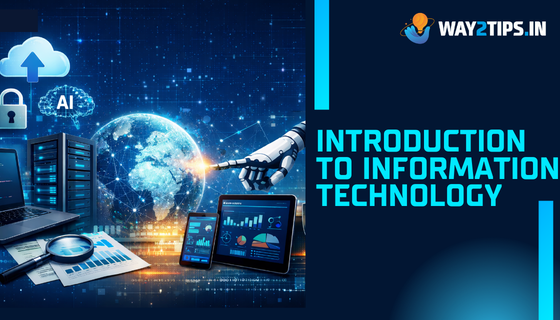
Information Technology (IT) refers to the use of computers, software, networks, and digital systems to store, process, transmit, and manage information. IT plays a crucial role in modern society, helping businesses, governments, and individuals handle data efficiently and perform tasks faster.
In simple terms, Information Technology involves using technology to solve problems, improve communication, and manage information in digital form.
Today, IT is one of the most important fields in the world because almost every industry depends on technology for operations, communication, and innovation.
History of Information Technology
Information Technology has evolved significantly over time. Earlier, information was stored on paper and managed manually. With the invention of computers in the 20th century, the process of storing and managing information became faster and more reliable.
In the 1960s and 1970s, large computers were mainly used by governments and big organizations. Later, personal computers became popular in the 1980s, allowing individuals and small businesses to use technology.
The rise of the internet in the 1990s transformed IT completely, enabling global communication, online services, and digital businesses. Today, technologies such as cloud computing, artificial intelligence, and big data continue to shape the future of IT.
Components of Information Technology
Information Technology consists of several important components that work together to manage information effectively.
1. Hardware
Hardware refers to the physical devices used in IT systems. Examples include computers, servers, keyboards, printers, and networking equipment.
2. Software
Software includes the programs and applications that run on computers. Examples include operating systems, web browsers, and business applications.
3. Networking
Networking connects computers and devices so they can communicate with each other. The internet, local networks, and wireless networks are examples of networking systems.
4. Data
Data is the information that IT systems store and process. It can include text, images, videos, financial records, and customer information.
5. IT Services
IT services involve maintaining systems, managing networks, and providing technical support to users and organizations.
Importance of Information Technology
Information Technology is important because it helps organizations operate efficiently and stay competitive in a digital world.
Some key benefits of IT include:
- Faster communication through email, messaging, and video calls
- Improved data storage and management
- Automation of tasks and business processes
- Better decision-making through data analysis
- Increased productivity in workplaces
- Global connectivity through the internet
Without IT, modern businesses, education systems, healthcare services, and financial institutions would struggle to operate efficiently.
Applications of Information Technology
IT is used in almost every industry. Some common applications include:
Business
Companies use IT systems for accounting, customer management, marketing, and communication.
Education
Online learning platforms, digital classrooms, and educational software make learning more accessible.
Healthcare
Hospitals use IT for patient records, medical imaging, telemedicine, and hospital management systems.
Banking and Finance
Banks rely on IT for online banking, digital payments, fraud detection, and financial data management.
Entertainment
Streaming services, gaming platforms, and social media are all powered by IT technologies.
Career Opportunities in Information Technology
The IT field offers many career opportunities for professionals with technical skills. Some popular IT jobs include:
- Software Developer
- Web Developer
- Network Engineer
- Data Analyst
- Cybersecurity Specialist
- Cloud Engineer
- IT Support Specialist
With the growing demand for digital solutions, IT professionals are highly valued across industries worldwide.
Future of Information Technology
The future of Information Technology looks very promising. Emerging technologies are changing the way people work and live.
Some major trends shaping the future include:
- Artificial Intelligence (AI)
- Cloud Computing
- Internet of Things (IoT)
- Blockchain Technology
- Cybersecurity advancements
- Automation and robotics
These innovations will continue to transform industries and create new opportunities for businesses and individuals.
Conclusion
Information Technology has become an essential part of modern life. From communication and business operations to healthcare and education, IT plays a vital role in improving efficiency and connectivity.
As technology continues to evolve, the importance of IT will only increase. Learning about Information Technology and its applications can help individuals and organizations adapt to the digital world and take advantage of new opportunities.
About the Author