
Introduction
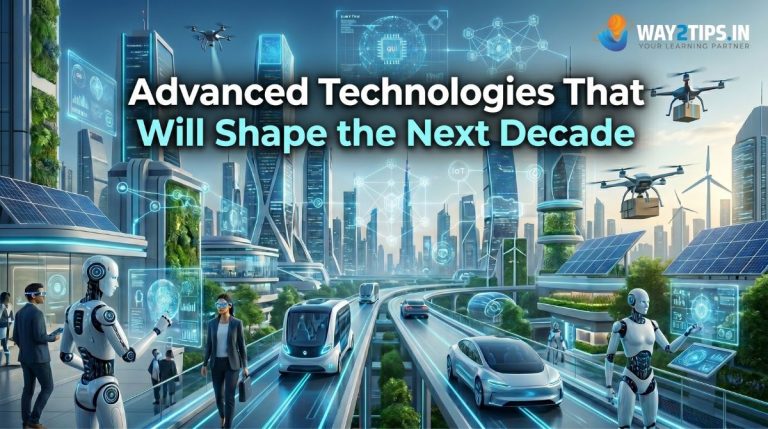
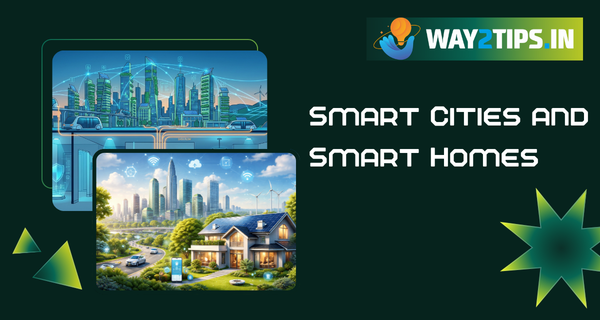
Technology is transforming the way we live, work, and interact with our surroundings. Two major innovations shaping the modern world are Smart Cities and Smart Homes. These concepts use advanced digital technologies to improve efficiency, sustainability, security, and overall quality of life.
While smart homes focus on individual households, smart cities expand the concept to entire urban environments. Together, they represent the future of connected living.
What Is a Smart City?
A smart city is an urban area that uses digital technologies, data analytics, and connected devices to improve public services, optimize resources, and enhance citizen well-being.
The concept gained global momentum through initiatives like the Smart Cities Mission launched by the Government of India in 2015 to modernize 100 Indian cities with advanced infrastructure and digital solutions.
Key Technologies Behind Smart Cities
1. Internet of Things (IoT)
Connected sensors and devices collect real-time data from traffic systems, streetlights, water supply networks, and waste management systems.
2. Artificial Intelligence (AI)
AI analyzes large volumes of data to predict traffic congestion, monitor crime patterns, and improve emergency response systems.
3. Big Data & Cloud Computing
Cloud platforms store and process massive datasets that help city administrators make data-driven decisions.
4. Smart Infrastructure
Smart grids, intelligent transport systems, digital payment systems, and public Wi-Fi networks form the backbone of smart cities.
Applications of Smart Cities
Smart Transportation
- Real-time traffic monitoring
- Smart parking systems
- Electric vehicle charging stations
- Public transport tracking apps
Smart Energy Management
- Smart meters
- Solar-powered streetlights
- Energy-efficient buildings
- Automated grid management
Smart Water & Waste Management
- Leak detection systems
- Automated waste collection alerts
- Water quality monitoring
Public Safety & Surveillance
- AI-powered CCTV monitoring
- Emergency response systems
- Disaster management coordination centers
Benefits of Smart Cities
- Improved public services
- Reduced traffic congestion
- Lower pollution levels
- Better energy efficiency
- Enhanced safety and security
- Transparent governance
Challenges of Smart Cities
- High implementation cost
- Data privacy concerns
- Cybersecurity risks
- Technology integration issues
- Digital divide among citizens
What Is a Smart Home?
A smart home is a residence equipped with internet-connected devices that allow remote monitoring and control of appliances and systems such as lighting, heating, security, and entertainment.
Early examples like the INTEGER Millennium House demonstrated energy-efficient and automated living decades ago.
Today, companies like Amazon and Google have made smart home devices widely accessible through voice assistants and smart ecosystems.
Key Smart Home Technologies
1. Smart Lighting
Control lights remotely or automate them based on schedules and motion detection.
2. Smart Thermostats
Automatically adjust temperature for comfort and energy efficiency.
3. Smart Security Systems
- Video doorbells
- Smart locks
- Surveillance cameras
- Motion sensors
4. Voice Assistants
Devices like Amazon Alexa and Google Assistant allow voice control of home systems.
Benefits of Smart Homes
- Increased comfort
- Enhanced security
- Remote access and control
- Energy savings
- Convenience and automation
- Smart City Software Development
Challenges of Smart Homes
- Device compatibility issues
- Privacy concerns
- Dependence on internet connectivity
- Initial installation cost
How Smart Homes and Smart Cities Work Together
Smart homes contribute valuable data to smart city systems. For example:
- Smart energy meters support city-wide power management.
- Home solar systems connect to smart grids.
- Environmental sensors provide air quality data.
- Security alerts can integrate with municipal emergency systems.
This integration creates a connected ecosystem where homes and cities work together to enhance efficiency and sustainability.
The Future of Smart Living
The future of smart cities and smart homes includes:
- AI-powered automation
- 5G connectivity
- Sustainable green infrastructure
- Smart mobility solutions
- Greater cybersecurity protections
- Personalized citizen services
As urban populations grow, technology-driven solutions will become essential for sustainable development.
Conclusion
Smart Cities and Smart Homes represent a powerful transformation in modern living. While smart homes improve daily comfort and security at an individual level, smart cities enhance infrastructure and services for entire communities.
Together, they form a connected, intelligent ecosystem that aims to create safer, greener, and more efficient living environments for future generations.
About the Author